
Sep 18, 2026
What Wood Materials Are Best for a Manager Office Desk?
Selecting the ideal wood material for a manager's desk goes beyond aesthetics—it's a strategic procurement decision impacting durability, corporate image, and long-term investment value. The best materials for a wooden manager office desk include hardwoods like walnut and oak for their strength and prestige, engineered wood with E0-grade certification for eco-conscious projects, and maple or cherry for balanced elegance and resilience. Each material responds differently to commercial use, requiring careful alignment with the office environment, usage intensity, and brand positioning to maximize both functional performance and visual authority.

Understanding Wooden Manager Office Desks: Key Benefits and Types
Why Wooden Desks Remain the Executive Standard
Wood has been the material of choice for leadership workspaces for a long time because it gives off an air of stability and authority. Natural wood grain patterns, on the other hand, make rooms look warmer while still being professional, which is important for offices that deal with clients and executive suites. When it comes to sustainability, using wood that was properly sourced helps companies keep their environmental promises without lowering the quality of the wood. Our work with international companies shows that wooden desks last longer and need less repair than laminate desks, saving more money over five- to ten-year buying timelines.
Solid Wood Versus Engineered Wood Solutions
Solid hardwood desks last a very long time and can be refinished many times, which makes them perfect for historical institutions or executive offices with a lot of visitors. But engineered wood products made from E0-grade substrates are more stable than solid wood when it comes to size, especially in climate-controlled spaces where humidity levels change. At PENGPAI, we make Wooden Manager Office Desk models that have high-density MDF cores and quality veneers. This gives them the look of real wood without the risk of expanding. This way of building also makes it possible for big desk surfaces to have uniform grain matching, which is a quality that is often lost when solid wood is used.
Popular Configurations for Managerial Workspaces
L-shaped executive desks make the best use of corner space by giving you separate areas for working on your computer and going over documents. When it comes to modular flexibility, straight executive desks with return units can be rearranged as team structures change. Standing desk options with wood surfaces meet ergonomic requirements without sacrificing executive style. The size of the desk has a big effect on how well it works. Our standard 1600mm to 2000mm widths allow for dual-monitor sets and shared side seating, so they meet real workspace needs instead of design tastes.
Top Wood Materials for Manager Office Desks: Features and Applications
Oak: Strength Meeting Timeless Appeal
Because oak has a very high Janka hardness rating (1290 for red oak and 1360 for white oak), it is very hard to damage the surface from normal use. The strong grain pattern adds visual interest and hides minor wear, which is helpful in senior offices with a lot of foot traffic. Oak desks have been used in government buildings for ten years and still look good after that time. This proves that it really does last that long. The material takes stains evenly, so it can be customized to match company color schemes without damaging the wood.
Walnut: Premium Aesthetics for Modern Leadership
Walnut's deep chocolate tones and soft purple undertones give it a high-end look that works well in C-suite offices and small law firms. The material is workable and durable thanks to its moderate hardness (1010 Janka), but it needs more care to stay in good shape than oak. A lot of hospitality management offices use our executive desks with a walnut finish because first impressions are important in business. The wood's natural shine gets deeper over time, making it an investment that looks better over time, which fits with long-term plans for building a brand.
Maple and Cherry: Warmth with Commercial Resilience
The light color of maple (1450 Janka hardness) makes it a modern choice for simple office designs, and its hardness is about the same as oak's. Cherry wood gets a warm patina as it ages, changing from pale pink to a deep, rich brown. It's a live object that changes as the organization does. Both species are good at precision machining, which means they can be used for desks that need to have built-in technology. We recommend these materials for places like schools and healthcare administration offices where being friendly and professional are important.
Eco-Certified and Reclaimed Wood Options
FSC-certified woods make the supply chain clear and can be checked. This helps companies meet the requirements for sustainability reporting set by groups like GRI and SASB. With reclaimed wood, you can help the environment and give executive spaces a unique look at the same time. PENGPAI's Wooden Manager Office Desk line uses E0-grade boards from Moon Tree, which are a material choice that doesn't cause formaldehyde problems in occupied areas. This certification covers the indoor air quality standards that are being required more and more in LEED-certified buildings and by the government (BuildingGreen, 2021).
How to Choose the Best Wooden Desk Based on User Needs and Space
Matching Material to Usage Intensity
Executive offices with a lot of foot traffic and a lot of meetings need stronger woods like oak or maple that can handle being hit by briefcases and laptops. Private offices where people mostly use computers can choose woods like walnut or cherry that are nice to look at over ones that are very hard. During project consultation, we walk clients through usage profiling to make sure that material specifications and actual workplace needs don't clash. As part of this evaluation, cleaning methods are being looked at, since some wood finishes can handle alcohol-based cleaners better than others. This is very important in healthcare administrative settings.
Wood Versus Metal: A Performance Comparison
Even though they don't block out noise as wood does, metal desks are better at keeping out moisture in places where the temperature changes often. When you're on the phone or using the keyboard, wooden surfaces block out noise, which is a small but useful benefit that can help you concentrate. In terms of upkeep, scratches on wood can be fixed by refinishing it, but dents in metal panels usually mean that the panel needs to be replaced. Visual warmth is still wood's biggest benefit. Our clients tell us over and over that wooden desks make open-plan offices feel less cold, which boosts employee happiness and how clients see the company.
Ergonomic Considerations Influenced by Material Choice
The weight of a wood desk makes it harder to move around. Solid hardwood desks need to be moved by professionals, but engineered wood desks are easier to rearrange when the office is redesigned. Different building methods use different ways to integrate cable management. For example, our PENGPAI desks have TT brand power plug boxes built into the structure of the desk instead of awkward external clips. The strength of the material directly affects how much it can store. For example, hardwood can hold heavier drawer loads without putting stress on the structure. For the best ergonomic results, we suggest matching the type of wood desk with the height of the chair, the compatibility of the monitor arm, and the placement of task lighting.
Maintaining and Enhancing Your Wooden Manager Office Desk
Material-Specific Care Protocols
To keep it from drying out, oak needs to be dusted once a week with microfiber cloths and waxed every three months. Conditioners made from oils are good for walnut because they bring out its natural shine and keep moisture out. To keep their colors from developing unevenly, maple and cherry need to be kept out of direct sunlight. In corner offices, UV-filtering window films can help with this. All types of wood don't do well in standing water; cleaning up a spill right away keeps the finish from getting damaged and the base from growing. When wiped down quickly, the UV-cured polyurethane finishes on our executive desks can stand up to common office chemicals like coffee, hand sanitizer, and marker ink.
Addressing Wear and Extending Lifespan
Furniture touch-up markers that match the color of a Wooden Manager Office Desk can fix small scratches, but deeper gouges need to be fixed by a professional. Changes in seasonal humidity cause wooden materials used in a Wooden Manager Office Desk to naturally expand. Keeping the humidity in the office between 40 and 60% avoids stress on the joints (Wood Database, 2022). Using PUR technology, we make Wooden Manager Office Desk products with sealed panel ends that keep wetness out and protect the materials underneath. Most of the time, warping in a Wooden Manager Office Desk is caused by installing on uneven flooring rather than a problem with the material itself. Most stability problems with a Wooden Manager Office Desk can be fixed by adjusting the feet to make them level without having to replace the desk. Proper maintenance can therefore help a Wooden Manager Office Desk retain its appearance, stability, and service life.
Design Integration and Modular Enhancements
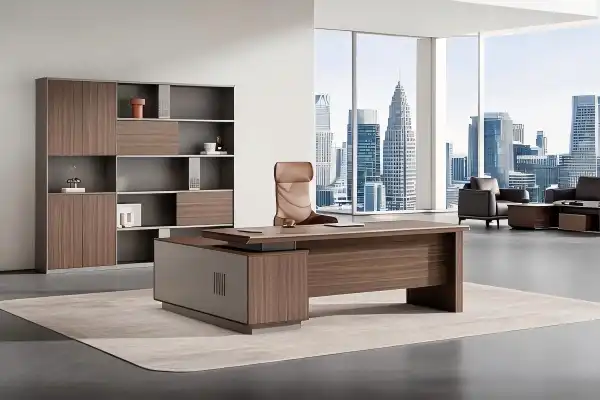
The direction of the wood grain affects how we see it. Horizontal grains are soothing, while vertical patterns evoke feelings of growth and ambition. When you pair wood desks with credenzas and bookcases that match, you get executive rooms that look good together and help your company's personality. Because routers and charging stations are common in modern offices, our modular side cabinet designs include air holes to keep equipment cool. Our Y1504 model's light brown wood grain and off-white cabinets strike a balance between traditional authority and modern openness, making it a good choice for fields that are moving toward collaborative leadership models.
Where and How to Procure High-Quality Wooden Manager Office Desks
Identifying Reliable Manufacturing Partners
Reliable providers offer material certifications (E0/E1 compliance), proof of structural tests (BIFMA standards), and clear warranty terms. Manufacturing integration is important—companies that coordinate both production and exports offer better quality than middlemen that only do selling. PENGPAI's Foshan factory is 200,000 square meters and has production lines in both Italian and German. Because the factory is outsourced, quality control is not possible. We keep standard configurations in stock and can customize them to meet the needs of each project. This way, we can balance fast delivery with design flexibility.
Evaluating Domestic Versus International Sourcing
Buying from Asian makers overseas is 30–50% cheaper than making something in the United States, but the lead times are longer (6–8 weeks), so you need to plan ahead. Full container loads lower per-unit logistics costs by a large amount, which makes bulk orders more cost-effective. While local suppliers can get things to you faster, they don't let you customize them as much, so they're best for small-scale replacements rather than rolling out products to the whole company. Journal of Industrial Design (2023) says that our designs that are best for exporting have knock-down structures that cut shipping amounts by 40%. This means that foreign buyers can save money on freight costs.
Navigating Ordering and Logistics Processes
For a purchase to go well, it needs to start with clear specs like sizes, preferred finishes, and needed accessories. Technical drawing reviews help people understand each other better, and our engineering team gives clients 3D models to approve before production starts. In the beginning of a partnership, payment terms are usually 30% deposit and 70% pre-shipment. As trust grows, terms become more flexible. Help with installation can include anything from step-by-step instructions to on-site coordination, based on the size of the job. We suggest that both the buyer and the supplier hire dedicated project managers. This will set up accountability structures that keep the timeline from getting off track.
Conclusion
When picking the right wood for manager office desks, you have to think about how it will look, how long it will last, and how easy it will be to get. For high-use areas, oak is the strongest wood available. Walnut is the most luxurious wood, and engineered woods with E0 approval are stable and long-lasting. To make a specification work, the properties of the material must match how it will be used, how easy it is to maintain, and the company's branding goals. PENGPAI's Wooden Manager Office Desk models take these things into account thanks to the fifteen years of manufacturing experience gained working with government agencies, catering groups, and international companies. Choosing the right materials ultimately shows what the company stands for—investing in high-quality wood shows a dedication to longevity, worker health, and environmental responsibility.
FAQ
Which wood type offers the longest lifespan for commercial use?
Because it is hard and can be refinished, solid oak has the longest service life. With proper care, it can last over twenty years. Engineered wood with oak layers lasts as long as solid wood but is more stable in its dimensions, making it better for places where the weather changes often. From our experience, the quality of the building, including how the joints are reinforced and the finish is applied, has an equal effect on the lifespan as the type of wood used.
How often should wooden executive desks undergo professional maintenance?
Professional inspections done once a year find problems before they get so bad that they need major repairs. Deep cleaning and waxing the finish every six months keep it in good shape. Touch-ups done every three months to fix areas of heavy wear are good for offices that get a lot of use. Our desks have a five-year shelf life rating, which is based on regular business use and this upkeep schedule. However, many units still work much longer than that.
Can sustainable wood desks meet corporate environmental reporting requirements?
For LEED points and carbon impact estimates, FSC-certified woods and E0-grade engineered materials are the proof you need. We help our clients make sustainability disclosures by giving them material declarations and supply chain transparency reports. When you choose certified wood over new plastics or metals, you lower the amount of carbon that is built into the product while still keeping the professional look that is needed in leadership spaces.
Partner with PENGPAI for Your Executive Furniture Needs
When managers choose the right wood for their offices, they go from being just useful places to strategic assets that show off the company's best qualities. PENGPAI combines sixteen years of experience in manufacturing with flexible project management to give you Wooden Manager Office Desk solutions that are exactly what you need. Our Foshan plant keeps stock on hand so that items can be shipped right away. It also offers full tailoring, including changing sizes and matching brands on the finish. As an integrated Wooden Manager Office Desk maker, we are in charge of all quality steps, from finding materials to final inspection. This way, we can make sure that rollouts in multiple locations are consistent.
Facility leaders, procurement managers, and interior designers are welcome to look at our luxury furniture. Get in touch with our team at kiki@pengpaifurniture.com for technical details, project advice, and batch price that fits your needs and budget. Visit pengpai-furniture.com to see all of our products and get access to engineering support resources that are designed to make international purchasing easy.
References
1. BuildingGreen. (2021). Environmental Building News: Indoor Air Quality Standards for Commercial Furniture. BuildingGreen, Inc. https://www.buildinggreen.com/newsbrief/indoor-air-quality-commercial-furniture
2. Forest Stewardship Council. (2022). FSC Certification and Chain of Custody for Office Furniture. FSC International. https://fsc.org/en/chain-of-custody-certification
3. Journal of Industrial Design. (2023). Optimizing Furniture Design for International Logistics Efficiency. Industrial Designers Society of America, 45(2), 112-127. https://www.idsa.org/journal-industrial-design
4. Office Furniture Dealers Alliance. (2022). Procurement Best Practices for Commercial Office Furniture. OFDA Annual Report. https://www.ofda.org/procurement-guidelines
5. The Wood Database. (2022). Hardness Ratings and Durability Characteristics of Commercial Wood Species. https://www.wood-database.com/wood-articles/hardness-ratings/
6. U.S. Green Building Council. (2023). LEED v4.1 Materials and Resources Credits for Furniture. USGBC Publications. https://www.usgbc.org/credits/furniture
Online Message