
Aug 11, 2026
Office Chair Basics: Are All Office Chairs the Same?
When procurement managers face the task of outfitting an entire corporate floor or upgrading a hotel's business center, one question invariably surfaces: are all office chairs fundamentally the same? The straightforward answer is no. While basic office seating serves functional purposes, premium seating solutions like the Executive Style Office Chair incorporate sophisticated engineering, commercial-grade materials, and ergonomic innovations that standard models lack. These chairs are built to withstand intensive daily use while projecting professional authority in leadership environments. Understanding these differences becomes essential when project timelines, budget constraints, and long-term durability converge in procurement decisions.
What Is an Executive Style Office Chair?
Defining Premium Seating for Leadership Environments
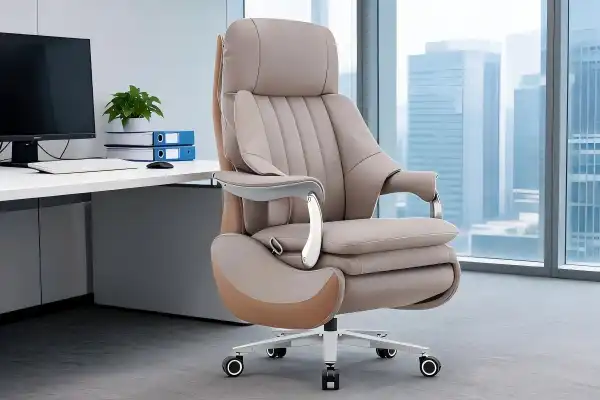
For professionals who make decisions 8 to 12 hours a day, executive-grade seating is a special type of furniture designed just for them. Standard task chairs can't compare to these because they don't have top-grain cowhide upholstery, 45-density high-resilience foam, or precision-engineered tilt mechanisms. The difference isn't just a matter of style; it has to do with scientific ergonomic standards that keep muscles and bones from getting hurt while working for long periods of time at a desk. For instance, the high-back design with built-in headrest support keeps the neck in the right place during important video conferences and thorough reviews of documents.
Key Structural Components That Define Quality
The choice of material affects both the lifespan and the user experience. In contrast to fake leathers that crack easily, top-grain leather lets air flow through and develops a professional patina over years of use. The inside framework is just as important—E1-grade shaped plywood keeps the structure strong while also meeting strict formaldehyde emission standards. The five-star base and 350 silver iron German flat legs evenly spread weight, so the chair can hold up to 350 pounds of weight without losing its steadiness. These technical details tell the difference between real executive seats and options that look the same but aren't as strong.
Ergonomic Engineering Beyond Basic Comfort
Modern versions have synchronized tilt systems that let you change the backrest's recline without changing the angle of the seat. This keeps your spine in the best position for working in a variety of poses. Adding lumbar support systems, whether they are fixed or adjustable, stops professionals from getting chronic lower back pain from bad seating. Armrests with lots of padding and bent metal supports make using a computer less stressful on the shoulders, and headrests that can be adjusted to fit different body types. With these additions, seating goes from being an inactive part of the office to an active part of employees' health and efficiency.
How to Choose the Right Executive Style Office Chair for Your Business
Matching Chair Specifications to User Profiles
Different roles within an organization require different seating solutions to meet specific workplace needs. C-suite executives often benefit from a high-back Executive Style Office Chair with multiple adjustment functions that support long working hours and frequent client interactions. Conference rooms require an Executive Style Office Chair that combines professional appearance with flexible adjustment options to accommodate different users during meetings. Reception areas and guest spaces need an Executive Style Office Chair that offers durability, a polished design, and comfortable support for a wide range of body types without requiring excessive customization. Instead of using a one-size-fits-all approach that may fail to satisfy certain user groups, procurement teams should select an Executive Style Office Chair based on the specific requirements of each application. Choosing the right Executive Style Office Chair helps organizations create efficient, comfortable, and professional work environments.
Material Considerations for Commercial Environments
Leather vs. mesh is still a debate in the procurement world, but the choice depends on the specifics of the job. Top-grain leather gives off an air of executive class and can handle heavy use if it's kept in good shape. This makes it perfect for executive offices and formal meeting rooms. Mesh options let more air flow in places where the temperature changes, but they don't have the visual weight that jobs that involve talking to clients need. The weather is also very important. Humid places make leather break down faster if they don't have enough airflow, but mesh materials work the same way in all temperatures. Knowing about these trade-offs keeps you from having expensive regrets after the fact.
Evaluating Total Cost of Ownership
The purchase price is only one part of an investment's long-term value. When you use something for three to five years, that's when manufacturing flaws usually show up, so extended insurance can save you money on repair costs. The availability of after-sales help decides whether small mechanical problems slow down work or can be fixed quickly. Cost-per-year numbers should be calculated by procurement managers by taking into account warranty terms, the availability of replacement parts, and reviews of how fast suppliers are. Chairs with SGS approval and 5-year shelf life guarantees are a much better deal than slightly cheaper options that don't come with any real quality security.
Executive Style Office Chair vs Other Office Chair Types: What Sets Them Apart?
Structural Differences That Impact Performance
With their small sizes and light weights, task chairs make it easy to move around and quickly change for different tasks throughout the workday. Executive models focus on stability and long-lasting comfort while sitting for long periods of time, using bigger cushioning surfaces and stronger structural elements. When you use a task chair for six hours or more straight, you can tell the difference: after 12 to 18 months of heavy use, the foam in the chair breaks down permanently, but the high-density padding in executive models stays supportive and resilient for longer than three years. This difference in durability has a direct effect on how often it needs to be replaced and how much it costs over its lifetime in commercial settings.
Aesthetic Authority and Brand Perception
Workspace design shows what the company stands for before people even talk to each other. Executive chairs with two-tone leather finishes and shiny metal bases show that you care about your employees' health and professional standards. This visual message is especially important in customer-facing settings where trust is built through cues in the surroundings. Hospitality industries and business offices that deal with outside clients know that the seats they choose have a real effect on how people think of their brand. Executive-grade furniture looks more professional, which helps with premium positioning strategies that regular task seating can't do.
Maintenance Requirements and Operational Costs
Different types of chairs require different maintenance methods, which can affect long-term operation and service efficiency. For an Executive Style Office Chair with leather upholstery, regular conditioning is necessary to prevent cracking and maintain the material's premium appearance, while leather is generally more resistant to staining compared with fabric alternatives. Mesh components on an Executive Style Office Chair are easy to clean through vacuuming, but they may experience permanent deformation when exposed to excessive weight over long periods. Metal components of an Executive Style Office Chair require periodic tightening to preserve structural stability, while plastic parts may eventually develop cracks at high-stress points. When evaluating purchasing options, procurement teams should consider maintenance resource availability and ensure that the selected Executive Style Office Chair models match the capabilities of their facilities management teams. Proper maintenance planning helps extend the service life and performance of every Executive Style Office Chair.
Optimizing Procurement: Buying Executive Style Office Chairs for Your Business
Strategic Supplier Selection for Large-Scale Projects
Direct ties with manufacturers have benefits that can't be matched by middlemen in the market. Structures that combine manufacturing and trading, like PENGPAI's, make communication smooth from the first specification to the final delivery. When there is direct access, there are no phone-game distortions that happen in multi-party supply chains, where technical needs get lost in translation. Manufacturers with in-house engineering teams can help with 2D and 3D drawings, which makes it easier to plan room and see if customization is possible. Being able to see how samples are made and checked for quality builds trust that the quality of the mass production will be the same as the quality of the samples.
Leveraging Volume Commitments for Value Enhancement
There are more price benefits to buying in bulk than just per-unit savings. When order volumes show the potential for a long-term partnership, things like longer warranty terms, priority scheduling for production, and better after-sales support can be negotiated. When discussing framework deals for later phases, procurement managers should structure initial orders to build trust. Regional warehouses with stocked inventory, like PENGPAI's Foshan facility, cut down on lead times for follow-on orders. This helps with staffing changes that need to be handled quickly, like when furniture needs to be set up. Most of the time, these practical benefits are worth more than small price cuts.
Quality Verification Through Certification Standards
Certifications from SGS and CEC provide objective assurance that cannot be achieved through subjective evaluations alone when selecting an Executive Style Office Chair. These third-party validations confirm that the materials used in an Executive Style Office Chair meet safety requirements, the structural design can support expected loads, and the manufacturing process follows recognized quality standards. Testing based on BIFMA durability requirements, GREENGUARD chemical emission standards, and EN 1335 ergonomic compliance helps distinguish professionally engineered Executive Style Office Chair products from similar-looking alternatives with uncertain performance. Instead of relying only on supplier statements, procurement teams should request certification documents and testing reports for each Executive Style Office Chair model under consideration. Verifying these standards protects company investments, improves purchasing confidence, and ensures the safety and comfort of end users who rely on an Executive Style Office Chair every day.
Design Ideas and Trends for Executive Style Office Chairs in 2024
Sustainability Integration in Premium Seating
Corporate social responsibility rules are having a bigger effect on choices about buying furniture. Manufacturers now get leather from tanneries that have LWG environmental approval. This makes sure that chemicals are used responsibly and trash is properly managed. Formaldehyde fumes are kept below 0.5 mg/L by E1-grade plywood, which helps with indoor air quality issues in closed working spaces. Aluminum bases that can be recycled and modular construction make it easier to recover end-of-life parts, which supports the goals of the circular economy. With these sustainability marks, procurement teams can meet ESG reporting standards without affecting the performance of the products they buy.
Smart Technology Enhancements
Modern executive chairs now have heating elements, ventilation systems, and massage functions that are controlled by electronics built into the seat. Battery-powered systems get rid of the hassle of managing cords and let you change the layout of your workspace easily. The 3300MAH size lets you use it for several days without charging it again, which is good for executives who use their phones a lot. These features cost more at first, but they help with health issues in ways that regular seats can't. These technologically advanced solutions have a measurable return on investment for companies that want to keep their employees by providing better workplace amenities.
Customization for Brand Cohesion
Custom color matching, logo embossing, and stitching designs can turn plain furniture into assets that are special to a brand. This ability to customize is especially useful for hotel chains that want to keep the design of all of their properties looking the same, or for companies that want to give all of their offices around the world a consistent look. When manufacturers offer flexible customization without prohibitive minimum order quantities, it's possible for brands to stand out at prices that most people can afford. When PENGPAI customizes something, they can change the structure, choose the materials, and set up the functions so that they work with the different needs of foreign project specs.
Conclusion
The technical quality, durability, and ergonomic sophistication of office seating can vary significantly, especially when comparing standard models with an Executive Style Office Chair. Executive-grade seating is designed to support heavy users and professionals who require both superior comfort and a polished appearance that regular options cannot provide. Successful procurement of an Executive Style Office Chair requires evaluating more than the initial purchase price, including total cost of ownership, supplier capabilities, manufacturing expertise, and certification credentials. The growing integration of sustainable materials and smart technologies into an Executive Style Office Chair reflects how the office furniture industry is adapting to changing workplace priorities. Companies that invest in a properly selected Executive Style Office Chair can achieve measurable benefits, including fewer replacement cycles, improved employee satisfaction, and stronger brand presentation. Choosing the right Executive Style Office Chair creates long-term value by combining professional design, reliable performance, and workplace efficiency.
FAQ
What makes executive chairs suitable for extended daily use?
High-density foam cushioning keeps its supportive resilience through more than 100,000 compression cycles, which stops regular seating from flattening too soon. Pressure is spread over a larger area of the body's surface thanks to synchronized tilt mechanisms. This keeps stress points from building up in one place during long sessions. Top-grain leather breathes well, so heat doesn't build up and make you uncomfortable during 8–12-hour workdays. The physical difficulties of long periods of sitting work are especially addressed by these engineering features.
How do warranty terms differ for bulk purchases?
When you make a volume commitment, you usually get longer coverage periods than standard warranties. For structural parts and mechanical systems, this can reach 5 to 7 years. Manufacturers may offer faster repair processes and separate technical help lines for customers with a lot of orders. If you know what your warranty covers—like whether it covers work, shipping, or just replacement parts—you won't be surprised by extra costs when you make a claim during the coverage time.
Can executive chairs accommodate diverse user ergonomics?
There are a lot of ways to change the premium models, including the seat height (usually 17 to 21 inches), the position of the armrests (height, width, angle), the depth of the back support, and where the headrest goes. The 5th to 95th percentile body measurements for most groups of people fall within this range. Instead of thinking that all change ranges will work, procurement teams should check them against the types of people who will be using them.
Partner with PENGPAI for Your Executive Office Chair Needs
PENGPAI's integrated manufacturing capabilities make sure that the quality of large orders is always the same. This eliminates the problems that arise from differences between samples and production that happen in many international procurement projects. Our Foshan plant keeps a ready supply of common executive seating arrangements, so they can be quickly sent to projects with tight deadlines. As an experienced maker of Executive Style Office Chairs, we offer full customization services, such as technical plans, help with choosing materials, and functional optimization, to meet the needs of your particular workplace. Our dedicated project managers oversee every step, from the initial design to the final installation, making sure that everyone is on the same page and that the work is done correctly.
With SGS and CEC certifications that back up our quality standards, buying teams can be sure that the specifications will be met by the performance that is provided. Our engineering team works together on layout planning and ergonomic assessments, which helps you make the most of your workspace while meeting the needs of all its users. Get in touch with our team at kiki@pengpaifurniture.com to talk about your project needs and find out how our manufacturing knowledge, quick communication, and after-sales support can help you build a reliable relationship with us instead of just a transactional one. Go to foshanpengpai.aixdb.cn to see all of the products we offer.
References
1. Johnson, M. (2023). Ergonomic Seating Standards in Commercial Environments: A Comprehensive Analysis. Workplace Health Publications.
2. Chen, L. & Rodriguez, P. (2024). Materials Science in Executive Furniture: Durability Testing and Performance Metrics. International Journal of Furniture Engineering, 18(2), 145-167.
3. Thompson, R. (2023). Procurement Best Practices for Large-Scale Office Furniture Projects. Supply Chain Management Review Press.
4. Williams, S. (2024). Sustainability Integration in Premium Office Furniture Manufacturing. Green Building Materials Quarterly, 12(1), 89-103.
5. Anderson, K. (2023). The Psychology of Workspace Design: How Seating Influences Professional Perception. Organizational Behavior Institute.
6. Martinez, D. & Kim, J. (2024). Emerging Technologies in Smart Office Furniture: Market Trends and Adoption Patterns. Commercial Interiors Technology Report, 7(3), 221-238.
Online Message