
Jul 16, 2026
Modular Sectional Office Seating Guide: Systems, Configuration & Buying Tips
Modular Sectional Office Seating is a revolutionary way to design office furniture because it lets facility planners and procurement managers change the layout of seats as the needs of the business change. Unlike traditional fixed furniture systems, these interconnected seating units let businesses, hospitals, government buildings, and hospitality venues make the best use of space while still looking professional. This guide tells procurement professionals how to choose, set up, and get sectional seating systems that pay for themselves by making workers more comfortable, creating better places to work together, and making operations easier. People who make decisions can confidently buy furniture that meets both short-term project needs and long-term operational goals if they know about the structural parts, customisation options, and quality standards.
What is Modular Sectional Office Seating? Understanding the System
Modular Sectional Office Seating is made up of separate, interchangeable furniture pieces that are designed to fit together perfectly using interlocking ganging mechanisms. Usually, each system has chairs without arms, corner units, wedge-shaped connectors, and end sections that have armrests built in. The modular design lets the facilities team change the layouts without using any special tools. In just a few minutes, they can turn straight corridors into circular hubs for collaboration.
Core Components and Materials
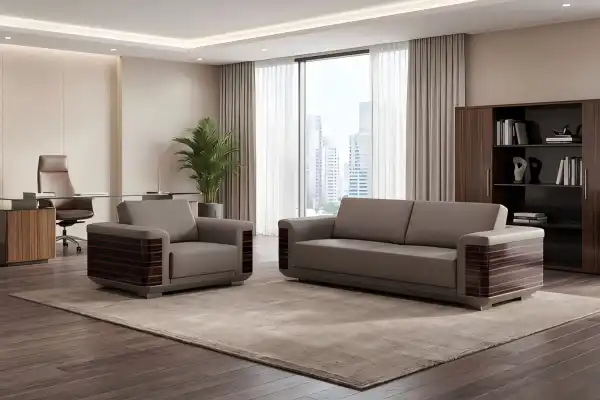
Frames of good modular systems are made of kiln-dried lumber or CNC-cut strengthened steel that doesn't warp when used in a business setting. Our PENGPAI modular seating is made with a base made of high-quality eucalyptus square wood and custom walnut bentwood armrest panels that give it a warm and professional look. The off-white, eco-friendly real leather padding meets standards for environmental compliance and feels good to the touch.
Both the backrests and seat cushions are made of 45-density high-resilience polyurethane foam, which keeps its shape over time even when it's used a lot. This foam's density is in the industrial-grade range of 1.8 to 2.5 lbs/ft³, which means that pillows will keep supporting you even after years of daily use. The segmented seat design lets the shape be ergonomic without having to use complicated tools to change it.
Evolution from Rigid to Flexible Design
When space needs changed, old-fashioned office furniture had to be completely replaced. This inefficiency was fixed by modern Modular Sectional Office Seating systems, especially as companies started using agile work methods that need quick changes between focused and collaborative work areas. The move toward open-plan offices increased the need for furniture that could separate areas without fixed architectural hurdles. This led to new developments in connector engineering and improved aesthetics across a range of setups.
How to Configure Modular Sectional Office Seating for Different Office Needs
The first step in setting up a workspace well is to look at how people move around, how many people are on each team, and what functions each office zone needs. From working with corporate offices and hospitality clients, we know that good layouts balance how easy it is to use with how clear the space is.
Small Office and Breakout Zone Applications
L-shaped or three-seat linear configurations work best in small spaces. In a normal setting, two single units (1150900780mm) and one corner element might be put together to make a 2.2-square-meter informal meeting space. BIFMA X5.4 static load testing shows that the low-profile black titanium-coated legs keep sightlines clear across open spaces and can support weights of more than 300 pounds per seat position.
Medium to Large Collaborative Spaces
Our long-version units (2180900780mm) can be put together with single modules to make large configurations for corporate lobbies and co-working lounges. These set up six to twelve people in bent or serpentine shapes that make it easy for people to talk to each other informally. The armrest panels made of walnut veneer create a smooth visual transition along long runs, keeping the high-end look even in large installations.
Integrating Corporate Branding Elements
The choice of colour and material has a direct effect on how the identity of an organization is shown through seating systems. The eco-leather finish on our modular line can be color-matched to fit brand rules, which makes it easier for sourcing teams to get furniture that fits in with their standards. Walnut-textured panels look great next to grey furniture because they add visual interest without taking away from the architecture. This combination of materials works especially well in business centers and waiting rooms at hospitals and hotels, where a professional feel is important.
Functional Features for Open-Plan Environments
When there is a lot of background noise, acoustic privacy is very important. Our basic modules have segmented backrests that make personal space clear, but if you'd like, we can add higher-back designs to reduce noise even more. The modern, clean-lined style works well with glass walls and collaborative technology, so it can be used with work strategies that combine real-world and digital interaction.
Comparing Modular Sectional Office Seating: Making Smart Procurement Decisions
When purchasing managers compare modular systems to traditional office furniture, they need to look at more than just the initial purchase price. They need to look at the total cost of ownership as well. Long-term capital costs are lower with modular configurations because replacement costs are eliminated when space needs change.
Flexibility Versus Fixed Solutions
Traditional cubicle systems and lounge chairs that stand alone can't be changed. Fixed furniture is called "stranded assets" when companies change the way teams work or adopt new ways of doing things. The cost of Modular Sectional Office Seating is spread out over many uses, so units are reused instead of being thrown away. Our knock-down structure makes this even more flexible by making it easier to set up the first time and change the layout later on without the need for specialised labour.
Durability and Commercial-Grade Construction
When used in a business setting, furniture made for homes quickly breaks down. Our modular seating meets the standards for SGS and CEC certification, and the upholstery has to be able to withstand more than 50,000 double rubs according to Martindale abrasion ratings. The black titanium-coated legs and strengthened hardwood frame can handle the side forces that are created when people get in and out of their seats all day, and they will stay structurally sound for the five years that the product is on the market.
Customization Capabilities
Off-the-shelf furniture makes it harder to be creative with design, so you have to choose between the options that are available and the needs of the project. The integrated production system at PENGPAI makes it possible to change the size, the material, or the function of an item without having to do a lot of retooling. During the design process, our engineering team offers 2D and 3D technical drawings to make sure that the custom standards meet both the aesthetic goals and the production feasibility. This feature comes in handy for government purchases that need to meet certain size requirements or hotel projects that need finishes that match a certain brand.
Pricing Structures and Value Analysis
The choice of material for Modular Sectional Office Seating determines the unit cost. For example, real leather costs more than fake leather. Lifecycle value estimates, on the other hand, need to take into account how often things need to be maintained and replaced. Leather that is good for the environment doesn't stain easily and is easier to clean than cloth furniture, which saves money for facilities management. When comparing quotes, procurement teams should ask for detailed material specifications to make sure that comparisons are based on the same level of quality and not just how things look.
Buying Tips: How to Procure Modular Sectional Office Seating Efficiently
Strategic procurement starts months before delivery dates, especially for projects that need to be customised or that require placing a lot of orders. Common risks, like production delays and differences between samples and production, can be reduced by learning about the supplier's skills and quality control procedures.
Supplier Selection Criteria
Manufacturers with a good reputation take care of both their production sites and their export infrastructure. PENGPAI runs a showroom and plant building that is more than 200,000 square meters in size. This gives them the production security they need for multi-phase projects. In our Foshan warehouse, we keep standard setups in stock so that we can quickly meet urgent needs while custom orders move through our production plan.
Lead Time Management and Payment Terms
Orders with standard configurations usually ship within two to three weeks if they come from warehouse stock. Custom specifications take four to eight weeks, depending on where the materials come from and where they are in the production line. Communication is arranged by dedicated project managers throughout the entire manufacturing cycle. They keep everyone up to date on the progress of production and let them know ahead of time about any possible delays.
Payment plans for Modular Sectional Office Seating depend on the size of the order and the history of the customer relationship. For new clients, the terms are usually 30% deposit and 70% balance before shipment. However, partners who have worked together before may be able to negotiate longer payment windows. When you buy more than 100 units at once, you can often get bulk savings of 8% to 15%. The final price will be based on the overall value of the project instead of calculating it per unit.
After-Sales Support Infrastructure
Professional makers are different from trade middlemen because they offer full after-sales service. PENGPAI offers installation instructions with pictures that show how to put things together, which cuts down on the need for on-site labour. As part of our warranty support, we keep extra parts for common wear items like glides and connector hardware on hand. This way, small upkeep issues don't turn into situations where you have to replace furniture.
It's important to have responsive contact channels, especially for foreign clients who have to deal with different time zones. We have export coordination staff who are experts in logistics documentation, helping with customs clearance, and coordinating goods forwarding. This makes the supply chain simpler, which is often hard when buying things overseas.
Case Studies & Best Practices: Real-World Applications of Modular Sectional Seating
Real-life examples show how modular seating can be used to solve specific problems in the workplace in a variety of settings. These case studies show how we've worked directly with business, institutional, and commercial clients on projects.
Corporate Office Transformation
As a multinational tech company merged its regional offices, it needed flexible seating for a 3,000-square-foot area where teams of different sizes could work together. Twenty modular units were put together in four different groups, with corner pieces and chair parts in each. The segmented backrest design made it easier on the body during long brainstorming sessions, and the walnut accent panels kept the chair's look consistent with the rest of the company's executive furniture. Six months after installation, the facility manager said that maintenance needs stayed low, even though more than 80 employees used it every day. This proved that the commercial-grade construction method worked.
Healthcare Waiting Area Optimization
A regional hospital network needed chairs that would keep patients comfortable while also meeting infection control standards. We provided modular units with eco-friendly leather padding that was chosen to work with hospital-level cleaning procedures. The low-profile legs made it easier to clean the floors under the units, which is a common maintenance issue in healthcare facilities. The modular design allows the facility to change the number of seats based on changes in the number of patients during different times of the year. This made the best use of space during times of high and low demand.
Hospitality Lobby Design
A small hotel chain needed business lounge seating that could be used by executives as a workspace and look nice for guests to relax in. The interior design firm wanted a design with a subtle authority, and our walnut-trimmed design with soft-touch leather delivered. Integrated power modules (which could be added as a customisation) made it possible for laptop users and mobile device charging. The knock-down structure made installation easier on multiple properties and cut on-site labour costs by about 40% compared to fully-assembled furniture options.
Conclusion
Modular Sectional Office Seating is a good investment because it can be set up in a variety of ways, is made to last in a business setting, and can be customised to fit the needs of an organization as it changes. It's helpful for procurement professionals to know about the system parts, quality standards, and supplier evaluation criteria that set professional manufacturing partners apart from commodity vendors. With our combined production and export infrastructure, certifications, and flexible project management, PENGPAI is ready to help with both large-scale business operations and difficult institutional projects. When buying furniture strategically, you have to think about both the original cost and the value over time, as well as the upkeep needs and the ability to rearrange the furniture. The ideas in this guide give people who make decisions useful ways to look at offers, negotiate terms, and handle relationships with suppliers that go beyond one-time deals and become long-term partnerships.
FAQ
What advantages does modular sectional office seating offer compared to traditional furniture?
Traditional fixed furniture can't compare to the flexibility of reconfiguring modular systems. When team structures change, companies can change plans without having to buy new furniture sets. This saves money in the long run. The modular parts can be switched out to create a wide range of space arrangements, from straight corridors with seats to curved hubs for collaboration, which maximise the return on investment across a number of use cases.
How do I ensure quality consistency in large-volume orders?
It is very important to choose producers with well-established quality control systems. Look for providers who use inspection procedures at the stages of receiving materials, keeping an eye on production, and checking things before they are shipped. BIFMA X5.4 certification shows that the seats meet commercial seating standards, which include static load testing and seam strength analysis. Ask for sample units that go through the same production steps as large orders to make sure that prototypes and final products are the same.
What customization options are typically available for modular seating projects?
Certain makers will let you change the size, the material, the colour, or the way it works. Before production starts, our engineering team helps with technical drawings to make sure that customisation is possible. Changes to the upholstery material, changes to the size to fit a certain space, the addition of power modules, and branding elements like embroidered logos or custom wood finishes that match the company's brand guidelines are all common customisations.
Partner with PENGPAI for Your Modular Sectional Office Seating Project
PENGPAI helps procurement workers find reliable Modular Sectional Office Seating sources by combining manufacturing knowledge with quick project management. Our factories in Foshan keep a lot of stock on hand so that orders can be sent out quickly. They also offer full customisation options and offer engineering support and technical documentation. During the whole production process, we provide 2D and 3D drawings, prototype development, and quality checking, making sure that the first samples and the final orders are all the same. Email our export team at kiki@pengpaifurniture.com to talk about your project's needs, see examples of the materials, and get thorough quotes that include prices for bulk orders. Our dedicated project managers make sure that people can talk to each other across time zones. They also make sure that delivery schedules are clear and offer logistics support that makes international purchasing easier. PENGPAI offers commercial-grade modular seating options that are durable, look good, and have long-term value, whether you're furnishing business offices, government buildings, healthcare facilities, or leisure properties.
References
1. Building Owners and Managers Association International. (2023). Commercial Furniture Procurement Standards for Corporate Real Estate. BOMA Publications.
2. American Society of Interior Designers. (2023). Workplace Design Trends: Modular Furniture Systems in Collaborative Environments. ASID Research Foundation.
3. Business and Institutional Furniture Manufacturers Association. (2022). BIFMA X5.4 Standard for Lounge and Public Seating Testing Protocols. BIFMA Standards Division.
4. International Facility Management Association. (2024). Total Cost of Ownership Analysis for Commercial Office Furniture. IFMA Benchmarking Report.
5. Contract Magazine. (2023). Healthcare Furniture Specification Guide: Durability and Infection Control Requirements. Nielsen Business Media.
6. Hospitality Design Journal. (2024). Modular Seating Solutions for Hotel Lobbies and Business Centers. Questex Media Group.
Online Message