
Jul 28, 2026
Modern Executive Leather Sofa: Buying Guide
When it comes to furnishing high-level corporate spaces, selecting the right seating solution makes a measurable difference in both aesthetics and functionality. A Modern Executive Leather Sofa represents more than just furniture—it's an investment in your organization's professional image, employee comfort, and long-term durability. This guide walks you through the essential considerations for choosing executive leather seating that meets commercial-grade standards while supporting your project timelines, budget constraints, and customization needs. Whether you're a procurement manager coordinating a large-scale office renovation or an interior designer specifying furniture for a boutique hotel, understanding the nuances of material quality, structural integrity, and supplier reliability will help you make confident, informed decisions that deliver value for years to come.
Understanding Modern Executive Leather Sofas
What Sets Modern Executive Sofas Apart?
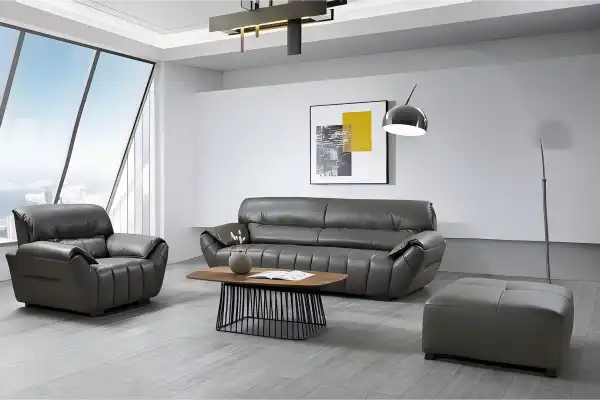
Modern Executive Leather Sofas are fundamentally different from traditional or residential seating. Standard couches are made to be soft and comfortable for rare use, but executive models are made to be used in places where professionals spend a lot of time working together, meeting, and consulting. The design philosophy is based on simple architectural lines that look strong without being too heavy. Smooth, smooth edges, low-profile legs, and segmented backrests give the piece a sleek look that fits in with modern office plans. Reinforced internal structures make sure the piece stays in shape even when it's used every day in a business setting.
Premium Materials That Matter
In business settings, knowing the difference between top-grain leather and bonded leather is very important. Top-grain cowhide comes from the top layer of the hide and naturally breathes well. It also has strong fibres that don't crack easily, even when exposed to high temperatures and being cleaned often. Our dark grey top-grain leather sofa is a great example of this level of quality. It is made from foreign first-layer cowhide that keeps looking good even after years of heavy use. The natural holes in the material let air flow, which keeps heat from building up like it does with synthetic options. The ash grey finish gives it a sophisticated look that goes well with modern interior design styles.
Beyond the leather surface, how well it works in real life depends on how it's built on the inside. High-density 45 kg/m³ high-resilience foam in the seat cushions keeps cheaper furniture from falling too soon, and feather-filled backrests provide support that fits different body types. The eucalyptus wood block base makes the structure stable without the weight or upkeep problems that come with particle board or low-grade composites. Black titanium rubber legs make the table look better and protect the floor, which is an important detail that is often overlooked in areas with a lot of foot traffic.
Design Styles for Professional Spaces
The latest trends in office chairs are mostly minimalist, which is in line with a larger trend in the workplace toward open, uncluttered spaces. Vertical quilted stitching adds texture without making the fabric look busy, and wide arms with secret side pockets meet the practical needs of professionals who need to hide tablets, papers, or personal items during long meetings. The 2280mm long form can be used for group seating, while the 1180mm unit is better for private offices or reception areas that need to make the most of their room.
Colour choice is an important part of workplace psychology. Medium-thick ash grey is a good middle ground between the harshness of pure black and the difficulty of keeping lighter tones. It looks professional even after daily use. This neutral base makes it easy to match with other decor and gives off an air of polished, understated luxury that is right for office spaces.
How to Choose the Right Modern Executive Leather Sofa?
Assessing Space and Functional Requirements
A thorough analysis of the space is the first step in choosing the right furniture. Not only measure the floor's length and width, but also the clearance heights, delivery doorway widths, and traffic flow patterns around areas where you want to put chairs. Because they are modular, good executive chairs can be put together in a variety of ways. For example, by pairing a long version with individual units, you can make arrangements that are flexible and can change to the needs of a meeting while still looking good. Think about how to connect to electricity if you're looking at models with built-in power ports, which is a feature that tech-savvy executive rooms are becoming more and more popular for.
Material Comparisons and Trade-offs
The main material choice in luxury chairs is between leather and fabric, and for Modern Executive Leather Sofa, leather is easier to clean and more durable in commercial settings—spills wipe away without staining, maintenance requires only periodic conditioning rather than professional deep cleaning, and the material naturally resists odor absorption, making it ideal for high-traffic public areas, while non-recliner models offer greater reliability and simplicity for hotel lobbies and waiting rooms compared to mechanically complex reclining versions. Fabric saves money at first and comes in many patterns, but leather is easier to clean and lasts longer in business settings. Spills can be wiped up without leaving stains, regular maintenance only needs conditioning sessions instead of deep cleaning by an expert, and the material naturally doesn't absorb smells, which is very helpful in public areas. The ability to recline adds comfort, but it also adds mechanical parts that need to be maintained and raise the initial cost. Non-recliner models are more reliable and easy to use, which makes them better for places with a lot of foot traffic, like hotel lobbies or public waiting rooms.
When looking at different sources, make sure the leather thickness requirements are met. Thinner materials start to show signs of wear after just a few months of heavy use, but the hides on high-end executive chairs are made of 1.2mm to 1.5mm thick materials that don't. Ask for Martindale abrasion test results—reliable manufacturers will give you proof of 30,000+ cycle ratings that show the product is durable enough for commercial use.
Budget Alignment and Value Assessment
The price of executive leather chairs depends on the quality of the materials, how they are built, and how the brand is positioned. Commercial choices for beginners start at about $2,000 to $3,500 per unit. Mid-range options with better materials and more customisation cost between $3,500 and $6,000. Signature designs from luxury names cost between $6,000 and $12,000. These numbers are for single pieces. Buying in bulk can often unlock tiered discounts that make unit economics much better for big projects.
The total cost of ownership is more than just the price of the car. Think about how long the sofa is expected to last. A well-made executive sofa that is properly maintained will last 10 to 15 years, while cheaper options will need to be replaced every 3 to 5 years. Leather that is of good quality doesn't need much upkeep. Conditioning products and small repairs usually cost $50 to $100 a year. Installation services, shipping logistics, and guarantee coverage all affect how much the project really costs, and this should be made clear when you're negotiating with the seller.
Procurement and Buying Tips for Businesses
Sourcing Strategies for Commercial Buyers
For business buying, having direct ties with manufacturers is very helpful. By getting rid of distributor markups, you can set your own prices and make changes that aren't usually possible through retail channels. Our factory in Foshan keeps core executive leather seat configurations in stock, so we can get them to you faster than with made-to-order choices while still giving you the freedom to make changes to fit the needs of your project. The 50,000-square-meter showroom lets people see the products in person, which is a very important step for procurement teams that want to make sure samples are correct before placing bulk orders.
Online sourcing is convenient and gives you access to a large market, but you need to be very careful when using it. Check the manufacturer's qualifications by looking for certifications from groups like SGS and CEC, which show that they follow worldwide quality standards. Instead of relying on marketing descriptions, ask for exact technical specifications. For example, exact foam density numbers, leather thickness measurements, and frame material documentation can tell the difference between real commercial suppliers and home furniture sellers who are selling business-grade versions of consumer goods.
Customization and OEM Solutions
Standard furniture can be turned into strategically matched assets through project-based customisation. Size changes can be made to fit specific spaces, materials can be switched out to meet specific performance needs, and branding can be built in through embossed logos, custom stitching patterns, or special colour matching to strengthen the company's character in all executive areas. During the development process, our engineering team offers 2D and 3D technical drawings to make sure the design is feasible before starting production. This keeps costly changes from being made during production.
OEM partnerships are good for wholesalers and design companies that are working on multiple projects for different clients at the same time. We allow private labelling, customised packing, and planned deliveries that work with installation schedules at different places. This manufacturing flexibility, along with a stable production capacity that exceeds 200,000 square meters of building space, makes sure that the quality is the same whether you buy 20 or 2,000 units.
Optimizing Logistics and Installation
Buying furniture internationally requires special care when it comes to shipping logistics. When compared to fully assembled pieces, knocked-down structures reduce container volume by 40–60%. This lowers freight costs directly and makes last-mile transport easier through normal doors and lifts. Our export-optimized packaging keeps leather surfaces and structural parts safe during transoceanic shipping. It does this by using protective wrapping and strengthened corner guards to stop damage that could lead to claims and project delays.
Lead times for stock items are usually two to three weeks, which includes clearing customs and delivering within the country, and for Modern Executive Leather Sofa, custom orders typically take four to eight weeks depending on specification complexity, making it essential to build sufficient buffer time into project schedules to avoid costly expediting and downtime from furniture arriving after renovation completion, while professional installation services ensure correct assembly and immediate usability—particularly valuable on luxury floors where aesthetics and functionality must be perfect from day one. On the other hand, custom orders take four to eight weeks, depending on how complicated the specifications are. By adding enough extra time to project schedules, you can avoid the high costs of expediting and lost work time that come with furniture arriving after the renovation is done. Professional installation services are not required, but they make sure that everything is put together correctly and can be used right away. This is especially helpful on luxury floors where the look and functionality must be perfect from the start.
Maintaining and Maximizing Sofa Lifespan
Routine Cleaning and Leather Care
When it comes to care, commercial-grade leather needs different steps than leather used in homes. Using microfibre cloths to dust once a week gets rid of rough particles that wear away surface finish over time. Cleaning leather once a month with pH-balanced cleaners made for aniline or semi-aniline finishes protects the natural oils of the material without leaving behind a film that dirt can stick to. Do not use household cleaners that have alcohol, silicone, or petroleum distillates in them. These chemicals remove protective tannins and speed up cracking.
In climate-controlled business spaces where HVAC systems are constantly pulling moisture out of the air, cooling is needed every six months. Premium leather treatments with natural oils get into the fibre structure of the hide and keep it flexible, which stops the leather from becoming rigid and cracking on the surface. Use soft cloths to apply it lightly and wait 24 hours for it to absorb before going back to normal use. This easy maintenance task adds years to the useful life of the item while keeping its elegant look that is expected in business settings.
Preventing Common Damage Issues
Strategies for proactive defence cut down on the need for repairs and the cost of replacements. Keep sofas away from windows that let in direct sunlight. Over months of exposure, UV light fades colours and breaks down the structure of leather. Cover your windows during the hottest parts of the day or ask for UV-blocking glass in renovation projects where executive seating will be placed around the edges. Keep the temperature and humidity steady; big changes in these things will wear down leather fibres and speed up the ageing process.
Set rules for how executive areas should be used to avoid damage that could have been avoided. Don't let people eat or drink on leather seats, or give out protective throws at catered events where spills are likely to happen. Keys, pens, and belt buckles are all examples of sharp objects that can get stuck in pockets and cause scratches and holes that look bad and let water and dirt in. Taking care of these behavioural factors increases the time between repairs while keeping the professional look that made the original investment worth it.
Leading Brands and Suppliers of Modern Executive Leather Sofas
Evaluating Supplier Credentials
The success of a project depends just as much on the supplier as on the product specs. When you buy from established manufacturers with clear quality control processes, extensive certifications, and documented track records, you reduce the risks that come with buying from unchecked vendors. Instead of relying on marketing claims, look for real signs like long-term client relationships with well-known institutions, thorough case studies that show project management skills, and a desire to give you contact information for past commercial buyers in your industry segment.
Professional manufacturers and assembly processes are kept separate by quality assurance methods. Integrated production sites that handle getting the leather, making the frames, and putting them all together keep things consistent in a way that separate supply chains can't. When we receive materials, during production, and before shipping, we follow strict inspection routines. Written quality checks make sure that bulk orders match approved samples, which is one of the biggest problems with large-scale furniture projects when it comes to consistency.
Partnership Benefits Beyond Product Supply
Strategic ties with suppliers provide value that goes beyond the price of a unit. Dedicated project managers make sure that the design, production, and logistics teams can talk to each other. This gives everyone one point of responsibility, which makes complicated works that happen on multiple sites easier. Technical support services, like help with CAD drawings, structural load analysis, and space planning advice, help procurement teams deal with problems that slow down projects or lead to mistakes in specifications that need expensive fixes.
After-sales support is what sets long-term partnership manufacturers apart from transactional vendors. Full insurance coverage, quick access to spare parts, and written upkeep instructions all help protect your investment while reducing the workload of facilities management. At PENGPAI, our nearly 300-person team includes specialised customer service staff who can help people in multiple languages and time zones. This makes sure that questions are answered quickly, no matter where the project is located or what stage of procurement it is in.
Conclusion
When choosing luxury leather seating for a business setting, you have to balance your desire for good looks with the practical facts of sturdiness, upkeep, and budget. The PENGPAI Modern Executive Leather Sofa meets these needs by carefully choosing the right materials, being engineered for business use, and being made in a way that makes sure all big orders are the same. Procurement professionals can make choices that lead to both instant project success and years of reliable performance when they know the differences between leather grades, construction methods, and suppliers' abilities. By focusing on quality standards that have been checked, clear communication, and full project support, you can turn buying furniture from a task to a strategic investment that improves the work environment and efficiency of your organization.
FAQ
How does top-grain leather perform in high-traffic executive environments?
Top-grain leather works well in business settings because its natural fibre structure keeps it from wearing out while still letting air flow through it. Unlike bound options that peel when stressed, high-quality top-grain hides get a unique patina over time that makes them look better instead of worse. If you take good care of the material, it can be used every day for 8 to 12 hours, which makes it perfect for high-traffic areas like executive offices, meeting rooms, and waiting areas. Conditioning the sofa every six months keeps it from drying out and cracking, which can happen in climate-controlled buildings. This way, the sofa will keep its professional look for the next 10 to 15 years.
What kinds of customisation choices are there for big projects?
We offer full change services that take into account size needs, material tastes, and function requirements. Size changes can be made to fit different spaces without affecting the structure's strength. Material replacement lets you improve performance by choosing different foam thicknesses for different comfort profiles or leather finishes that are less likely to stain for certain uses. Colour matching services make sure that the look of an entire office floor or hotel property is consistent. Integrated power units and custom stitching patterns meet technical needs and meet branding goals. Before production, our engineering team makes sure that all customisations can be made. This keeps delays and quality problems from happening during big order fulfilment.
How long should it take to get an overseas order?
Standard setups kept in our Foshan warehouse can be shipped within two to three weeks, which includes export paperwork, foreign shipping, and customs clearance. This makes them ideal for projects with tight deadlines. Custom orders take between 4 and 8 weeks, depending on how complicated the changes are and how many orders are placed. We suggest adding 10 to 12 weeks to project plans in case of unexpected shipping delays or changes to specifications found during sample review. Our project management team gives weekly updates on the progress of the production and works with freight forwarders to find the best ways to load and deliver containers so that furniture arrives on time and ready to be installed.
Partner with PENGPAI for Your Executive Furniture Needs
When PENGPAI works with a Modern Executive Leather Sofa supplier, they bring 15 years of experience in manufacturing to the table. They also offer factory-direct prices and full project support, which makes business procurement easier. Our structure for combined production and trading makes sure that quality is consistent from the prototype to the final delivery. To keep your installation schedule on track, dedicated project managers make sure that the design, manufacturing, and shipping teams can talk to each other. We have ready-to-ship items in our Foshan warehouse, our quality standards are backed up by SGS and CEC certifications, and we can make changes to meet the unique needs of each project. This gives procurement professionals the dependability and speed they need. Get in touch with our team at kiki@pengpaifurniture.com to talk about your executive seating needs and find out how our manufacturing capabilities can help your company reach its furniture goals with custom solutions, low prices, and excellent service that goes beyond delivering products.
References
1. Anderson, M. & Thompson, R. (2021). Commercial Furniture Specification: Materials, Durability, and Lifecycle Cost Analysis. Workplace Design Institute Press.
2. Chen, L. (2022). "Quality Standards in B2B Office Furniture Procurement: A Comparative Study." Journal of Commercial Interior Design, 18(3), 112-129.
3. European Furniture Manufacturers Association. (2020). Leather Quality Standards for Contract Seating: Technical Guidelines and Testing Protocols. EFMA Publications.
4. Harrison, J. (2023). Executive Office Design: Furniture Selection Strategies for Corporate Environments. Professional Space Planning Association.
5. Miller, K. & Rodriguez, S. (2022). "Maintenance and Longevity of Commercial-Grade Leather Furniture." Facilities Management Quarterly, 45(2), 67-82.
6. Williams, D. (2021). Global Sourcing for Commercial Interiors: Supplier Evaluation and Risk Management. International Procurement Institute.
Online Message