
Sep 8, 2026
How to Choose Shared Workspace Office Desk for Hybrid Offices?
Choosing the right shared workspace office desk for hybrid offices means prioritizing adaptability, durability, and user comfort. Unlike traditional fixed furniture, shared workspace desks must accommodate rotating teams, support varied workflows, and endure high-frequency use. Selecting quality desks that balance ergonomic design, space efficiency, and project-based customization will directly impact employee satisfaction and operational costs. Throughout this guide, we explore practical evaluation criteria, compare design approaches, and highlight procurement strategies that align with your hybrid office goals.
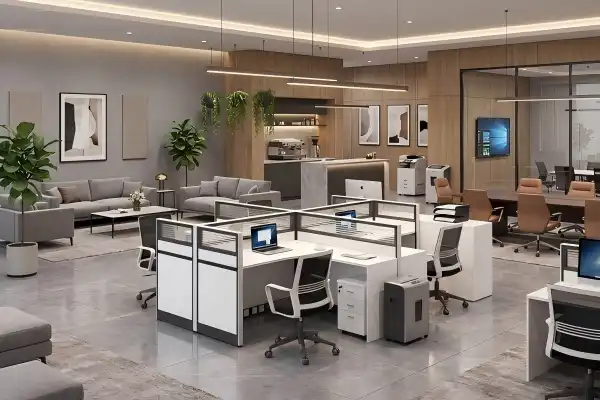
Understanding the Shared Workspace Office Desk Concept and Its Benefits
The way companies divide up floor space and handle resources has changed a lot because of hybrid work methods. The Shared Workspace Office Desk adapts to these changes by allowing hot-desking, flexible scheduling, and areas for working together. Private desks don't get used during days when people work from home, but shared configurations get the most use out of space while lowering overall real estate costs.
Why Shared Desks Suit Hybrid Teams
For hot-desking to work, the furniture needs to be able to handle multiple users every day without getting dirty or breaking. Sharing desks makes space planning more flexible because they let building managers change plans as team sizes change. A study released in 2022 by the International Facility Management Association found that organizations that used shared desk systems were 30% more efficient with their space than those that used traditional one-to-one desk allocations (IFMA, 2022).
Key Benefits for Commercial Buyers
Shared workspace desks save money by reducing the amount of furniture that needs to be stored and making the best use of space. When combined with comfortable add-ons and built-in storage, these desks keep workers healthy even though they are shared ownership. Modern shared desks have a flexible structure that lets buying teams gradually increase furniture purchases, matching costs with growth in the workforce. Commercial-grade longevity makes sure that the product works the same way after thousands of uses, protecting your long-term return on investment.
Core Criteria for Selecting Shared Workspace Office Desks
When making decisions about purchases, people have to weigh the short-term costs with the long-term costs. Understanding your company's mixed work habits, like how often desks are occupied, how long sessions last, and what tools are needed, shapes all of the selection criteria that follow.
Desk Size, Shape, and Layout Considerations
The size of a workstation has a direct effect on how comfortable users are and how well the floor plan works. Standard shared desks come in a range of sizes, from small 1200mm units that are good for laptop work to large 1600mm areas that can fit two computers. L-shaped setups work best in corners, while benching systems work best in open-plan areas where people want to work together more than be alone. For example, our L-shaped corner configuration (2535x2895mm) supports setups with more than one user by giving them a lot of space while still keeping their footprint small. The rectangular layout strikes a mix between individual focus areas and closeness for quick teamwork.
Material Durability and Sustainability
For high-frequency use, surfaces must be able to handle scratches, water, and chemical cleaning without ghosting or coming apart. When it comes to wear resistance, High-Pressure Laminate (HPL) finishes that meet ISO 4586 standards are better than cheaper melamine options. To meet both environmental rules and health goals for occupants, make sure that particleboard cores meet E1 or E0 formaldehyde emission standards when looking at large orders. Powder-coated finishes (60–80 micron thickness) on cold-rolled steel metal frames keep them from rusting and keep their structural integrity over long lifetimes.
Ergonomic Adjustability and Storage Integration
Because hybrid workers switch between multiple workstations every week, universal ergonomic features are very important. Look for desks that have leveling feet that can be adjusted to fit floors that aren't perfectly level. Integrated cable management channels, especially those placed along the sides of partitions, keep things looking neat and avoid trip risks. Users can move mobile pedestal cabinets with slide-rail systems around to find the best storage space for them. Our three-drawer mobile pedestal units work well with shared desks because they give you personal storage space without having to put anything permanently. This makes hot-desking more flexible.
Budgeting for Bulk Purchases
The total cost of ownership of a Shared Workspace Office Desk is more than just the price of the unit itself. As you compare suppliers, you should think about how much shipping costs, how much assembly is needed, and what the warranty covers for each Shared Workspace Office Desk. Knock-down structures save money on shipping, but they need to be coordinated with teams that will put the Shared Workspace Office Desk together. Value-added services like expert drawing support, project management, and quick after-sales help make higher prices for a Shared Workspace Office Desk fair by making internal administration easier. When you negotiate consolidated orders that include more than one type of furniture, you can often get volume discounts and make it easier to coordinate logistics for Shared Workspace Office Desk orders. This approach helps businesses control long-term costs while maintaining the functionality and reliability expected from a Shared Workspace Office Desk.
Comparing Shared Workspace Office Desks: Making Informed Choices
When you do strategic buying, you have to weigh different objectives like working efficiency, privacy, and teamwork. Knowing these trade-offs makes sure that investments in furniture are in line with the way people work at your company.
Shared Desks vs. Private Cubicles
Traditional cubicles put an emphasis on individual focus and territory control, while shared desks encourage contact and flexibility. Open shared spaces can be more private with the help of partial-height partitions made of horizontal slat panels. Our gray metal walls with see-through viewing areas balance the freedom to see with the ability to block out noise, so users are less likely to be distracted without being shut off. Cubicle systems take up more space on the floor for each employee and can't be changed to fit changing team setups.
Adjustable Desks With and Without Storage
Height-adjustable mechanisms make things more ergonomic, but they cost more per unit and need more maintenance. When people in a shared space are very different heights, electric height adjustment is worth the money because it cuts down on injury claims and makes people happier. Desks that don't have storage built in support digital work and limit personalization, which can make switching between hot desks more difficult. But adding mobile pedestals meets the practical need for safe storage of personal items while still allowing for freedom.
Design and Material Trends in 2024
Clean lines, neutral colors, and eco-friendly materials are popular in modern commercial interiors. White tabletops with rounded edges look modern and professional, and the seamless edge banding makes them easier to clean. To meet company environmental goals without sacrificing durability, eco-friendly production methods are used, such as FSC-certified wood cores and recyclable metal parts. The Journal of Corporate Real Estate published research that found companies that bought sustainable furniture had 18% higher employee engagement scores (JCRE, 2023)...
Practical Tips for Setting Up and Optimizing Shared Workspace Office Desks
Sharing furniture can be very useful, but only if the layout is planned carefully and there are rules for how to use it. These useful strategies help facility managers and workspace planners deal with common problems that come up during implementation.
Optimizing Desk Configurations and Zoning
Group Shared Workspace Office Desk units into "neighborhoods" that support different ways of working, such as quiet focus areas near the edges, joint groups near meeting rooms, and open zones that can be used for a variety of tasks. Maintain uniform spacing around each Shared Workspace Office Desk group, with access lanes of at least 1200 mm, to make moving around easier without bothering people who are already using the space. When an organization's needs change, modular Shared Workspace Office Desk designs let the setup be changed as well. For instance, our modular workstation system supports flexible space arrangements, which means that facility teams can change the way Shared Workspace Office Desk units are set up without having to buy new furniture. This flexibility allows businesses to adapt their Shared Workspace Office Desk layout as team sizes, work patterns, and operational requirements evolve.
Balancing Collaboration and Privacy Needs
Install low-height walls (1100 mm is ideal) that separate people without blocking wind or sightlines. Frame-based divider systems with multi-layered visual effects that include solid panels, clear sections, and decorative elements meet both the psychological and auditory needs for privacy. Focus rooms and phone booths that can be reserved can be added to shared desks to provide a place to hide for private calls and tasks that require a lot of focus.
Addressing Hot Desking Management Challenges
Set up desk booking systems with activity sensors to avoid double bookings and get the most out of your area. Set clear rules for cleanliness and make sure there are easy-to-reach bathroom facilities next to shared areas. To get rid of territorial clutter, make sure there are enough storage lockers away from desk areas. A study from the Workplace Research Foundation (WRF) in 2023 shows that well-run hot-desking programs can cut room by 40% without making employees less happy.
Trusted Brands, Suppliers, and Procurement Solutions for B2B Buyers
Working with experienced makers makes buying things easier and guarantees the standard of the goods and their delivery. When you evaluate providers based on more than one factor, you can avoid common problems like inconsistent manufacturing quality and help that doesn't respond to your needs.
Selecting Reputable Shared Workspace Office Desk Manufacturers
Leading providers have a history of handling big tasks for businesses, the government, and the leisure industry. Look for companies that offer full design services, such as 2D/3D drawings and the creation of prototypes that help you test your ideas before they are made in large quantities. Pengpai Furniture was founded in 2008 and is based in Foshan's best furniture-making district. It has more than 200,000 square meters of production and showroom space. Our certifications, such as SGS and CEC, show that we meet international quality standards, and our five-year shelf life guarantee shows that we trust that our products will last in a commercial setting.
Understanding Wholesale Pricing and Customization Options
Bulk pricing usually offers savings that start at 50 units and go down even more for contracts that include more than one product. Full-service manufacturers are different from commodity suppliers because they can customize products by changing sizes, choosing materials, and adding logos. Pengpai's engineering help includes figuring out what the needs are, making technical drawings, and making sure the samples are okay before starting mass production. This process cuts down on mistakes that cost a lot of money and makes sure that what the buyer wants and what is given match up.
Warranty Terms and Logistics Coordination
Full guarantees that cover structural parts (usually 5–10 years) and systems (3-5 years) keep things from breaking down too soon. Make it clear if the warranty covers repairs that can be done on-site or if the product has to be returned, which could affect business. Exporters with a lot of experience offer knock-down packaging that is best for moving containers. This saves money on freight costs and makes final assembly easier. Pengpai keeps ready-to-ship items in our Foshan warehouse, so we can quickly complete projects that need to be finished by a certain date. Our dedicated project managers also make sure that delivery times are in line with installation times.
Conclusion
Durability, freedom, and user experience must be balanced with budget restrictions and project deadlines when choosing Shared Workspace Office Desks for hybrid settings. Instead of trying to get the lowest upfront costs, good procurement relies on commercial-grade building, modular adaptability, and source dependability. By looking at the size, material, and ergonomics of your desk through the lens of how you plan to use it, you can protect long-term investments and adapt to changing workplace strategies. Working with well-known makers that offer full customization, quick project management, and proven export skills makes sure that implementation goes smoothly and operations keep running at a high level.
FAQ
What ergonomic features are most important for shared workspace desks?
Universal ergonomic features include leveling feet that can be adjusted to fix uneven floors, built-in wire management that keeps you from tripping, and smooth surface edges that reduce pressure points. The right depth (700–800 mm) lets you put the monitor at arm's length. Mobile storage units should have systems that allow them to slide smoothly and with little effort, so that they can be used by everyone.
How do shared desks enhance hybrid office flexibility compared to assigned seating?
By getting rid of assigned desks that aren't being used, shared layouts let companies fit bigger teams into smaller spaces. When project-based teams are formed, modular systems can be quickly rearranged to meet their needs. According to Gensler (2023), hot-desking arrangements lower real estate costs by allowing occupancy rates as low as 0.6 desks per employee without affecting accessibility during busy times.
What factors drive costs in bulk shared workspace desk purchases?
The price per unit depends on the type of material used (HPL vs. melamine), the strength of the frame (steel vs. metal), and the features that come with it (built-in power, height adjustment). Customization needs raise costs but make the room fit better. Shipping costs depend on how well the package is packed and how far it has to travel to get to its location. Installation services and longer guarantees add value by lowering the need for internal resources and keeping problems from happening.
Partner With Pengpai for Your Hybrid Workspace Transformation
The furniture in your hybrid workspace should be made to meet the needs of a real business. Pengpai Furniture is one of the best places to buy Shared Workspace Office Desks because they have 16 years of experience making them and offer full project support that makes buying in bulk easier. With their durable HPL surfaces, built-in cable management, and adaptable configurations, our modular workstation systems give you the flexibility and long-term value you need from your investment.
We keep ready-to-ship items in our Foshan center so that we can meet even the tightest deadlines quickly. During production, our dedicated engineering team provides technical drawings, helps with customization, and checks the quality. Email our purchasing agents at kiki@pengpaifurniture.com to talk about your unique needs, get full quotes, and find out how our tried-and-true solutions can help your hybrid office work better. You can see our full line of products at foshanpengpai.aixdb.cn and learn why more than 2,000 businesses trust Pengpai with their industrial furniture needs.
References
1. Gensler Research Institute. (2023). Workplace Survey 2023: Hybrid Work Trends. Gensler. https://www.gensler.com/research-insight/workplace-surveys/us-workplace-survey-2023
2. International Facility Management Association. (2022). Space Utilization Benchmarks in Hybrid Workplaces. IFMA Foundation. https://www.ifma.org/publications/research-reports/
3. Journal of Corporate Real Estate. (2023). Sustainability and Employee Engagement in Office Design. Emerald Publishing. https://www.emerald.com/insight/publication/issn/1463-001X
4. Knoll Workplace Research. (2023). The Impact of Shared Workspace Design on Collaboration. Knoll, Inc. https://www.knoll.com/design-plan/resources/research
5. Steelcase Research. (2022). Hybrid Work: Designing Agile Workspaces. Steelcase Inc. https://www.steelcase.com/research/articles/topics/hybrid-work/
6. Workplace Research Foundation. (2023). Hot Desking Best Practices Study. WRF Publications. https://workplaceresearchfoundation.org/hot-desking-research-2023
Online Message