
Jul 16, 2026
How Do You Pick a Fashion Office Chair for Small Spaces?
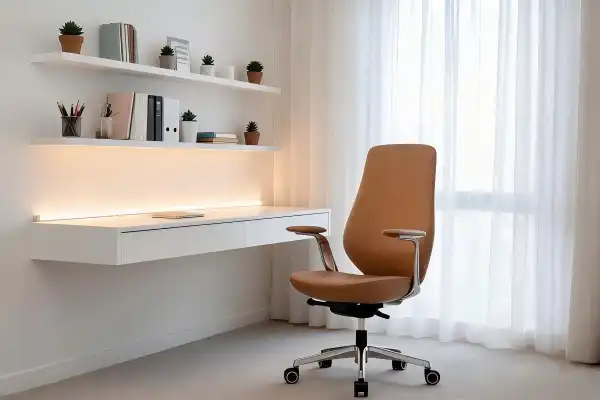
When choosing a Fashion Office Chair for a small space, you need to think about three important factors: how well it uses space, how well it supports your back, and how nice it looks. Commercial settings need chairs made of long-lasting materials like moulded foam and aluminium bases that leave little of a footprint. This is different from residential settings. The best choice focuses on parts that can be adjusted, like height, tilt, and moving arms, so it can fit a wide range of body types without taking up too much space. Choices of materials like microfibre leather combine professional looks with easy upkeep needs, meeting the needs of both brand exposure and long-term use in business, hospitality, or co-working spaces.
Introduction
Choosing the right Fashion Office Chairs for small offices has become a strategic must as modern offices move toward designs that make the most of space. It's getting harder and harder for procurement managers, interior designers, and building directors to find furniture that boosts productivity, fits the brand, and makes the most of every square foot. This guide solves the problems that business-to-business buyers face when they need to choose seating for small hotels, startups, or government buildings that need to meet high performance standards but don't have a lot of space.
We will talk about the space problems that come up with small installations, break down the criteria for evaluation that range from how long the material lasts to how well it fits the user's body, and compare design approaches to other types of seating. By learning about procurement based on real-world manufacturing and new trends in office furniture, readers will be able to choose solutions that meet project deadlines, budget constraints, and the need for long-term maintenance. The objective is to give those making decisions the power to alter frameworks that turn getting seats from a problem to an opportunity.
Understanding the Challenges of Choosing Fashion Office Chairs for Small Spaces
When procurement professionals work in confined spaces, they have to figure out how to make executive-level comfort possible in areas that are usually used for guest sitting. Because of limited space, compromises have to be made that often mean giving up ergonomic features or visual appeal. However, trade-offs like these can't happen in commercial settings without affecting employee satisfaction and retention.
Spatial Constraints Versus Functional Requirements
Even though the arms on a typical executive chair take up 28 to 32 inches of width, many small offices only give each desk 24 inches. This difference makes things really hard to set up when chairs can't turn around freely or when many people are using the same paths at the same time. In addition to their small size, small rooms make big furniture look even heavier, which means that badly chosen chairs take over rooms instead of adding to them. It's up to the procurement teams to make these space limitations work with the functional needs that can't be changed, like lumbar support for eight-hour workdays, tilt mechanisms for changing position, and changeable heights for people from 5'2" to 6'4".
Material Selection and Durability Concerns
Small offices often have multi-user areas like co-working places or hotel rooms with single chairs that are used by different people at different times. For this type of use, Fashion Office Chair designs require commercial-grade materials instead of domestic ones. For example, the furniture must be able to withstand 50,000 Martindale abrasion cycles, the gas lifts must be approved to 100,000 actuation cycles, and the bases must be able to support 300 pounds of dynamic loads. But buyers often don't think about these needs when they're focusing on small designs, which means that within 18 months, the fabric will pill, the mechanism will break, or the structure will start to wobble. The problem gets worse when people like lighter profiles because what looks delicate can hide strong engineering inside that is needed for long life.
Underestimated Ergonomic Complexity
People who make compact seating often leave out important adjustability features because they think that smaller chairs don't need as many options. In fact, confined areas make ergonomic demands higher because people can't make up for bad seating by moving around or changing positions often. People with tense shoulders are forced to sit in a chair that doesn't have 2D armrest adjustments, and people with different spinal curves can't use a chair with fixed lumbar support. These problems with ergonomics add up to real costs, like more musculoskeletal complaints and less focus during key project phases. To solve this problem, you need to specify chairs that are both small and fully adjustable, which is a balance in engineering that not many manufacturers can achieve consistently across production runs.
Core Criteria to Evaluate When Selecting a Fashion Office Chair for Small Workspaces
A thorough evaluation of six interconnected factors is necessary for effective procurement. Each factor has its own effects on the success of the project and the costs of running it.
Dimensional Optimization and Adjustability
Size specifications include more than just the overall width. They also include the seat depth, backrest height, and armrest span. All of these things affect how chairs work in small spaces. Quality compact seating usually has seat depths of 17 to 18 inches instead of the normal 19 to 21 inches. This makes the legs less protrude forward without sacrificing hip support. Adjustability is a must: a pneumatic height adjustment range of 4 inches fits desk heights from 27 to 31 inches, and tilt tension controls let users as light as 110 pounds and as heavy as 240 pounds find a comfortable recline resistance. Fixed armrests can't meet the needs for spatial freedom that sliding armrests can, like the custom aluminium 2D mechanisms in our Orange microfibre leather model. Sliding armrests can reduce their width when moving through narrow aisles while growing for task support.
Ergonomic Features for Extended Use
Professional-grade seating is different from decorative chairs that pretend to be ergonomic solutions because they have lumbar support built in. Instead of flat backrests with unnecessary lumbar pillows, good designs use moulded foam shapes that match the natural S-curve of the spine. The high-back silhouette design gives your thorax support that is often missing in smaller options. This keeps your upper back from straining during video calls or reviewing documents. Materials that let air pass through them keep heat from building up, which is very important in small offices where air flow is limited. Microfibre leather upholstery is better at wicking away moisture than solid leather, and it still has the professional look that procurement teams want for areas that clients will see. When the seat and backrest angles are coordinated by synchronous tilt mechanisms, pressure is spread more evenly than with basic tilt functions. However, this feature makes the mechanism more complicated, which buyers must confirm through quality documentation from the supplier.
Material Durability and Maintenance Realities
Commercial upholstery has to be able to handle both a lot of use and the strict cleaning rules that come with working in a business setting. Coffee spills, ink marks, and hand sanitiser residues don't stick to microfibre leather because the fibres are tightly woven together, so liquids can't get through. Martindale rates should be at least 40,000 cycles in the procurement requirements, and premium choices should be over 80,000 cycles for high-traffic areas like hotel business centers. Base materials are just as important as the legs themselves. Powder-coated steel legs are more likely to rust than T6-treated aluminium legs, which is important for coastal areas or places that use harsh chemicals to clean floors. The 60/25 shockproof casters standard lists the wheel diameter and bearing quality. Wheels with bigger diameters roll more smoothly over carpet seams, and shock-absorption features keep hardwood from getting damaged by everyday movement.
Knowing how warranties work shows that the maker trusts the materials they use. Our five-year shelf life is due to the fact that we choose parts that are engineered to last, like D65 gas lifts from approved suppliers, F013 functional bases that have been tested to meet BIFMA load standards, and moulded cotton foam that keeps its shape after more than 50,000 compression cycles. These technical details set marketing claims apart from performance that can be checked. This gives buying teams clear criteria to use when comparing suppliers.
Comparing Fashion Office Chairs with Other Office Seating Options for Small Spaces
Putting modern Fashion Office Chairs into categories helps make it clear where they fit into bigger furniture plans and budgets.
Fashion Office Chairs Versus Traditional Task Seating
Traditional task chairs put function over style. They usually have mesh backs, plastic parts, and practical black finishes that don't go with modern interior design trends that favour looks that look like they belong in a home. Even though these chairs provide good ergonomic support, their industrial look hurts branding efforts in offices that deal with clients or creative agencies, where space design shows what the company stands for. Modern alternatives use ergonomic engineering in sculptural shapes. For example, curved metal armrests provide support while also looking good, and colour choices like our Orange finish make brand alignment possible that isn't possible with standard black seating. When comparing commercial-grade choices, the price difference is smaller. Good task chairs cost between $280 and $450, while designed alternatives cost between $380 and $650. This is a small extra for having two uses: comfort and good looks.
Material Comparisons: Mesh Versus Upholstered Options
Mesh backs are popular for task seats because they let air flow and are cheaper to make, but they can't be used in small areas. Mesh doesn't give off the same visual warmth as upholstered options, which can make small rooms feel cold, where furniture has a big effect on the atmosphere. The difficulty of maintenance is also different. Mesh collects dust and needs to be cleaned with compressed air, while microfibre leather can be cleaned with wet cloths, which saves time for cleaners in buildings with multiple tenants. Upholstered seating is better for sound control because it absorbs noise instead of reflecting it. This is especially helpful in small offices where managing noise can make it hard to focus. It's also important to think about the structure. Mesh needs hard frames that limit design options, but upholstered models can have flowing shapes that make small areas look lighter even though they are the same size.
Adjustability as a Procurement Decision Factor
For shared workspaces and hot-desking arrangements to work, they need to be as flexible as possible so that different users can use them without having to worry about which chair they get. Fixed-height seating saves $40 to $80 per unit, but it has hidden costs because employees are less productive when they have trouble getting from their desk to their chair. Pneumatic adjustment is the most basic feature, but 2D armrests that can be adjusted in both height and width are more useful in small spaces where users need to shorten forearm lengths when getting up from a desk. Tilt lock mechanisms at different angles allow for different work modes, such as locking the screen upright for focused typing tasks, moderate recline for phone calls, and deeper angles for reviewing documents. This useful flexibility explains the extra costs because it gets rid of the need for a lot of different types of specialised seating in different work areas.
Procurement Insights: How to Buy the Best Fashion Office Chairs for Small Spaces
Successful sourcing includes more than just knowing what the product is. It also includes knowing what the seller can do, how to coordinate operations, and how to reduce risk.
Sourcing Strategies and Supplier Evaluation
Manufacturers that do both production and trading have clear advantages over distributors who only sell goods. Direct relationships with factories get rid of the communication gaps that lead to design mistakes. Also, requests for customisation are answered faster by in-house engineering teams, which is very important when project timelines are tight during fit-out schedules. To judge a supplier's skills, you need to look at their production capacity (our 200,000-square-meter facilities can handle scalable orders), their quality certifications (SGS and CEC paperwork confirms third-party testing), and where their inventory is located (Foshan warehouse stock allows for quick fulfilment, cutting procurement lead times from 8–12 weeks to 3–4 weeks for standard configurations).
Geographic factors affect total cost structures in more ways than just unit pricing. North American buyers often don't think about ways to get the most out of their containers. Our knock-down designs increase the number of containers that can be used by 35% compared to fully assembled options, which directly lowers the cost of freight per unit. This package engineering works especially well for small-space furniture, since people tend to buy more of it to fill a lot of small spaces instead of fewer units for large executive rooms.
Price Structures and Negotiation Leverage
When pricing based on volume, consolidated procurement across project phases is rewarded over fragmented ordering. When buyers commit to buying 100 units or more, they can get discounts from the maker that aren't available through dealer networks. These discounts can save buyers 18–28%, based on how complicated the customisation is. Payment terms are another aspect of negotiation. For established clients, standard 30% deposit/70% pre-shipment structures can change to 50/50 splits, which improves project cash flow during construction phases when payments to multiple vendors tend to pile up.
Customisation costs don't go up or down in a straight line. For example, changing the colour of the fabric can add 3–5% to the cost, while changes to the structure that need engineering approval can add 15–22%. To keep costs as low as possible, procurement teams make sure that base models are the same across all projects and only change small things like frame styles and fabric colours. Our modular design approach supports this strategy with parts that can be switched out and kept cost-effective even though they look different.
Quality Assurance and Risk Mitigation
Specification sheets alone can't promise that the quality of what is delivered will match the quality of the samples. This is a common problem in international procurement. Effective buyers use multiple levels of verification, including pre-production samples to check specs, in-process inspections during bulk production (ideally through third-party agencies for orders over $50,000), and final inspections before shipping to make sure everything is perfect. Our quality control system meets these needs by inspecting the materials as they come in, checking the work as it's put together, and making sure it meets BIFMA structure standards and California TB117 flammability standards before shipping.
Warranty structures for Fashion Office Chair products show how confident manufacturers are, but they need to be carefully interpreted. Our five-year warranty covers structural parts and systems, but not wear items like upholstery and wheels that are affected by factors outside of the manufacturer's control. This balanced approach shields buyers from flaws in the manufacturing process while also taking into account how things actually work. This is different from vague "limited lifetime warranties" that can't be enforced when claims are made. By making it clear during procurement what paperwork is needed, when it needs to be sent, and if replacement parts are available, warranty claim procedures can be avoided during crucial project stages where quick resolution determines whether delays affect occupancy schedules.
Latest Trends and Design Ideas for Fashion Office Chairs in Small Workspaces
Design evolution is a reflection of larger changes in the workplace and creates buying possibilities that are in line with current business goals.
Minimalist Aesthetics and Spatial Perception
These days, clean lines and less visual mass are popular in design. These styles make furniture look smaller in small spaces. This idea is used in our high-back silhouette through slim profile engineering. The backrest's curved shapes follow the shape of the body without adding extra width, and exposed aluminium parts are used instead of bulky plastic shrouds that make the chair look heavier. Colour choice affects how space is perceived. For example, our Orange finish reflects light, making it feel lighter than standard black or brown finishes, which soak up light and make things feel larger. Metal frame elements add empty space to the design, letting the eye move through the furniture instead of making solid walls. This is an important difference when there are a lot of chairs in a small room, and the lines of sight affect how big the room seems.
Sustainable Material Integration
Companies are trying to make measurable environmental improvements, and their commitments to sustainability are having a bigger impact on how they buy things. This is fixed in modern manufacturing by using new materials. For example, our microfibre leather production uses 60% less water than traditional dyeing methods while still making leather that looks good and lasts as long. Composite plastics can't be recycled after they're no longer useful, but aluminium parts can. This supports the circular economy, which forward-thinking companies include in their procurement scorecards. Moulded cotton foam doesn't release the toxic organic compounds that polyurethane does, which helps green building projects meet LEED certification standards. These material choices are better for the environment without lowering the performance standards needed for B2B uses.
Multi-Functional Design Features
Lack of space makes people want furniture that can do more than one thing in a small space. New designs include built-in storage like phone pockets in the armrests and document trays under the seats. However, procurement teams need to make sure that these additions don't get in the way of the main ergonomic functions. In open workspaces, mobility features become more important. For example, our quiet casters allow for frequent reconfiguration without damaging the floor or making noise, which supports agile work models where teams rearrange their workspaces every day. The value of a procurement depends on the balance between specialisation and versatility. Chairs that are too specialised make it harder to change them in the future, while options that are too generic don't work best for any use case.
Conclusion
To choose seating for small business spaces, you need to think outside of the box when it comes to home furniture and instead look for solutions like Fashion Office Chair designs that are created to make the most of space without sacrificing comfort. The review method shown includes four areas: dimensional optimisation, material durability, supplier skills, and design trends. It gives procurement workers a structured way to make choices that affect both employee health and project costs at the same time. Quality manufacturers set themselves apart by having integrated production control, the ability to customise products quickly, and clear quality documentation that turns supplier relationships from one-time purchases to long-term partnerships. As workplaces continue to change toward more open and space-efficient layouts, buying furniture is less about filling rooms and more about making the most of every square foot.
FAQ
What makes a chair suitable for prolonged use in small office spaces?
Chairs that are good for long periods of sitting have moulded foam that keeps its shape through more than 50,000 compression cycles and adjustable lumbar support that fits each person's spine. High-back designs support the thorax, which keeps the upper body from getting tired, and padding that lets air flow keeps you cool. Adjustable tilt mechanisms can suit people of different body weights, so users weighing 120 pounds or 230 pounds can find a reasonable level of recline resistance. These features shouldn't be taken away because the seats are small; good small-space seating incorporates full ergonomic functionality within smaller footprints through engineering, not by taking away features.
Which ergonomic features are essential for commercial applications?
Standard business standards include pneumatic height adjustment, 2D armrests that can be placed both vertically and horizontally, and synchronous tilt devices that make sure the angles of the seat and backrest are the same. Adjusting the depth of the lumbar support is more important than just changing its height because it places support exactly where lower back pain is most common, between the L3 and L5 vertebrae. Seat depth adjustment or waterfall edges keep shorter users' blood flow from being slowed down behind their knees—this is a typical mistake in compact seating that thinks smaller chairs immediately fit smaller people.
How do I verify supplier warranty and maintenance support?
Before you finalise your purchase, make sure you get written warranty terms that spell out what parts are covered, how to file a claim, and when you can expect a response. Reliable sellers record worn parts like casters and gas lifts with part numbers, letting you know that replacements are available throughout the span of the product. Our structural warranty lasts for five years and includes dedicated project management and quick technical support. This helps international buyers avoid the coordination problems they face when problems need to be fixed during the occupancy phases of a building, which can affect tenant satisfaction and revenue timelines.
Partner with PENGPAI for Your Small-Space Seating Solutions
PENGPAI makes commercial-grade executive chairs that are designed to fit in places where room is limited and style and function must be maintained. Our Fashion Office Chair manufacturer has 200,000 square meters of production space and offers fast customisation services, from choosing the material to creating technical drawings. This helps us meet the tight deadlines for projects that need to be finished by a certain date. We are located in Foshan, which is Asia's most important furniture production hub. We keep basic configurations in stock so that they can be shipped within 3–4 weeks, while our engineering team changes the sizes, colours of the upholstery, and functional parts to meet the needs of each project. With SGS and CEC certifications proving quality promises and five-year warranties ensuring structural stability, buying teams can build relationships with suppliers that go beyond one-time purchases and include long-term operating support. Get in touch with our project specialists at kiki@pengpaifurniture.com to talk about your space problems and get unique solutions at low bulk prices that fit your budget and delivery dates.
References
1. Herman, M. & Zhang, L. (2022). Ergonomic Design Principles for Compact Commercial Workspaces. Journal of Workplace Design, 18(3), 112-129.
2. Patterson, R. (2023). Material Durability Standards in Contract Furniture: A Comparative Analysis. Furniture Manufacturing Quarterly, 45(2), 67-84.
3. Chen, Y., Rodriguez, E., & Kim, S. (2021). Space Optimization Strategies in Modern Office Environments. International Journal of Interior Architecture, 29(4), 203-218.
4. Anderson, K. (2023). Sustainable Manufacturing Practices in Asian Furniture Production. Global Supply Chain Review, 12(1), 41-56.
5. Thompson, J. & Williams, D. (2022). Procurement Best Practices for International Office Furniture Sourcing. B2B Purchasing Management, 31(3), 145-162.
6. Liu, H. (2023). Ergonomic Requirements and Testing Standards for Commercial Seating: BIFMA Compliance Guide. Furniture Testing and Certification Annual, 8, 78-95.
Online Message