
Sep 30, 2026
Commercial Office Chairs Support Consistent Furniture Planning Across Branch Offices
When organizations operate across multiple locations, maintaining a consistent workspace standard becomes a real operational challenge. A well-specified commercial office chair does more than provide seating — it anchors ergonomic standards, reinforces brand identity, and simplifies facility management across every branch. From procurement managers coordinating multi-site rollouts to interior designers specifying uniform layouts, the right executive seating choice directly affects employee productivity, corporate compliance, and long-term asset performance. This guide walks through everything you need to know about selecting, procuring, and maintaining professional seating across distributed office networks.
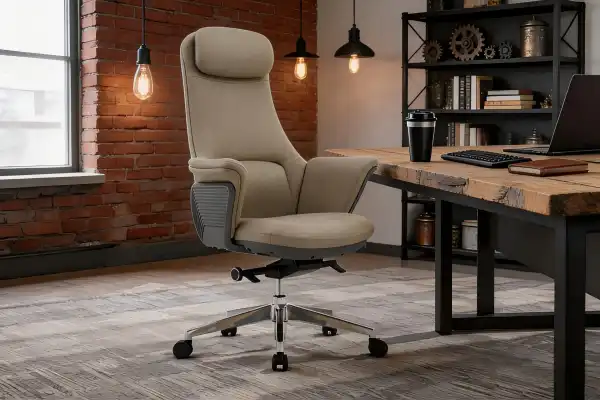
Understanding Commercial Office Chairs and Their Role in Branch Office Planning
When it comes to size, professional-grade seating is different from home furniture in important ways. Figuring out these differences is the first thing that needs to be done to make a solid furniture standard for the whole branch.
What Sets Commercial Seating Apart?
Commercial Office Chairs are made to be used for 8 to 12 hours a day and are tested against BIFMA/ANSI standards to make sure they meet their structural integrity, weight capacity, and cycle durability. In residential settings, chairs are usually only tested for two to four hours of occasional use. This is a big difference from office settings, where chairs are used five days a week, all year long.
Ergonomic Features That Drive Consistency
Musculoskeletal diseases (MSDs) are one of the main reasons people miss work in office settings, according to the Bureau of Labor Statistics. Consistent ergonomic support across branches can help lower MSDs. With adjustable back support, height-adjustable headrests, and multi-position arms, different users can make the same chair model fit their body type. This keeps your specifications consistent while meeting individual needs.
Brand Image and Facility Management Benefits
When organizations operate across multiple locations, maintaining a consistent workspace standard becomes a real operational challenge. A well-specified commercial office chair does more than provide seating — it anchors ergonomic standards, reinforces brand identity, and simplifies facility management across every branch. From procurement managers coordinating multi-site rollouts to interior designers specifying uniform layouts, the right executive seating choice directly affects employee productivity, corporate compliance, and long-term asset performance. This guide walks through everything you need to know about selecting, procuring, and maintaining professional seating across distributed office networks.
How to Choose the Right Commercial Office Chair for Uniform Branch Office Deployment?
It takes more than just picking out a nice-looking chair to choose the right one for multi-branch rollout. You need a chair that works the same way for everyone, in all kinds of weather and with all kinds of people.
Evaluate Structural Durability First
Look for chairs that have been tested to meet technical standards that can be checked. For example, the PENGPAI Commercial Office Chair has an R350 aluminum alloy base that has been tested under 1,136 KG of static pressure. It also has an electroplated gas lift that has been tested to last 100,000 up-and-down cycles and 60MM gold-plated quiet wheels that have been tested to the same cycle count. No, these numbers are not marketing claims. They are real performance standards that matter when increased by hundreds of units.
Prioritize Adjustability for Diverse Workforces
Chairs that are used in different branches need to be able to fit people of different body types without having to be redesigned. This problem is fixed by the PENGPAI executive chair, which has a headrest that can be adjusted, floating curved armrests that make arm strain less noticeable, and a lumbar support system with round knobs that users can change to their own liking. Low-density foams lose their shape after a few months of daily use, but high-density molded foam in the backrest, seat cushion, and arms keeps its shape over time.
Match Material to Environment
The Nappa-pattern microfiber leather on PENGPAI's commercial seating comes in light gray and light orange. It is resistant to wear in ways that synthetic leathers often can't handle in high-traffic areas. The warm brown leather option with dark gray side wings also works well in executive settings where presentation is important. The material's claims of being durable are backed up by SGS CEC approval and a five-year shelf life.
Streamlining Procurement: Buying Commercial Office Chairs for Branch Offices
Once you've found the right chair design, the most important thing is to make the buying process as efficient as possible. When buying in bulk across sites, it's important to be able to coordinate, which means having an organized relationship with your suppliers.
Work With an Integrated Manufacturer
Foshan Pengpai Furniture Co., Ltd. was established in 2008 and is based in Shunde, which is one of Asia's biggest furniture production hubs. The company is both a manufacturer and a trader. With this setup, planning, production, quality control, and export operations are all handled by a single person. For procurement managers in charge of rollouts across multiple sites, this consolidation gets rid of the planning problems that come up when working with middlemen.
Here are the main benefits of the supply chain that make branch-wide buying possible:
- Dedicated project management: Each order is assigned a project manager who coordinates production schedules, delivery timelines, and documentation — reducing the back-and-forth that delays large orders.
- Scalable production capacity: With imported Italian and German production lines, consistent quality between sample and mass production is a structural capability, not a promise.
- Export-ready packaging: Knock-down structures and optimized protective packaging reduce shipping costs and simplify on-site assembly across multiple branch locations.
These features work together to solve the most common problems in multi-branch buying, such as tight deadlines, inconsistent quality between batches, and difficult installation at different sites.
Understand Warranty and Compliance Terms
The Commercial Office Chair from PENGPAI is certified by SGS CEC and meets the formaldehyde emission standards of both British National Standard E1 and European Standard E0. Verified environmental approvals lower regulatory risk for procurement directors who are in charge of compliance across multiple countries, such as US offices. Make sure the paperwork covers the whole production batch, not just the sample, when you ask for it up front.
Maintenance and Longevity: Preserving Chair Quality Across Offices
The total cost of owning a chair goes down if it lasts a long time. Maintenance rules should be reasonable, easy for building teams to understand, and the same everywhere.
Establish a Cleaning Routine by Material
Microfiber leather with a nappa design can be cleaned with a damp cloth and a light solution; you don't need any special tools. Cleaners with alcohol break down surface coatings over time, so stay away from them. As a minimum, wipe down the space every three months. High-traffic areas like the reception or conference rooms should be cleaned more often.
Monitor Mechanical Components Proactively
The two parts most likely to break down with heavy use are the gas lift and the state of the wheels. PENGPAI's gas lift is rated to 100,000 cycles, but facility managers can plan preventative repairs before they fail by keeping track of installation dates across branches. This keeps problems from happening and saves money on replacement costs that add up when problems are handled after the fact.
Train Local Teams on Adjustment Protocols
Many ergonomic problems in branch offices aren't caused by broken chairs but by the way they are set up. Tell the facility staff how to set the correct height for each user for the lumbar knob, the headrest, and the seat. A ten-minute orientation for each chair model in different places makes users more comfortable and stops them from damaging the chairs by making the wrong adjustments.
Future-Proofing Branch Office Furniture: Trends and Innovations in Commercial Office Chairs
The market for office furniture keeps changing. Companies that want to buy things from more than one store should think about where sitting standards are going.
Sustainability Is Now a Procurement Criterion
More and more, global companies need environmental paperwork as part of the seller approval process. Third-party certifications like SGS, E0 and E1 formaldehyde standards, and responsible material sourcing are no longer nice-to-haves; they are now standard practice in government, healthcare, and multinational corporate procurement.
Modular and Adaptable Design Gains Ground
Offices are moving around more often than they did ten years ago. The same core product can be used on open-plan floors, in private offices, and in meeting rooms thanks to chairs with modular armrest systems, interchangeable upholstery panels, and user-adjustable configurations. This means that procurement teams don't have to keep track of as many SKUs across all branches.
Technology Integration in Seating
Some makers are starting to put monitors in business seats that track people's posture. Even though adoption is still in its early stages, procurement teams that are in charge of large health programs for the workforce should keep an eye on this area. Companies can make changes without moving manufacturers if they choose providers with active product development programs instead of static catalogs.
Conclusion
It is possible for branch offices to all have the same furniture planning if choices about what to buy are based on performance data that can be checked, the reliability of the seller, and how easy it will be to maintain the furniture over time. If you choose the right Commercial Office Chair—one that has been tested to meet professional standards, can be changed to fit the needs of the project, and is backed by a manufacturer that can actually export—it will become an asset instead of an ongoing cost. PENGPAI's product line and combined service model are made to help procurement teams manage large, spread-out office networks reach that goal.
FAQ
What is the difference between a commercial office chair and a home chair?
A Commercial Office Chair has to pass professional longevity tests, usually BIFMA X5.1, for 8 to 12 hours of daily use and to hold more weight. Most chairs for the home are tested to withstand light, occasional use. In high-frequency office settings where chairs have to work reliably for years, the difference in structure is important.
How do I maintain ergonomic consistency across multiple branch offices?
Choose a single type of chair that can be adjusted enough to fit a wide range of users. Write down configuration guidelines and give them to the facility teams in each location. Standardized adjustment training makes sure that all users in all branches get the health benefits that the chair was made to provide.
What should B2B buyers prioritize when purchasing seating in large volumes?
Four things should be your main focus: confirmed material longevity, mechanical test certifications, seller production stability, and how quickly you can get help after the sale. The difference in unit price between sellers is important, but the most expensive risk in large-scale buying is when the sample and production batch are not the same.
Ready to Standardize Your Branch Office Seating? Partner With PENGPAI
The Commercial Office Chair line from PENGPAI is designed to meet this specific need. We help B2B clients from the specification stage all the way through delivery as a direct manufacturer with experience exporting SGS-certified goods and project management that is committed to each order. You can get a price from a reliable Commercial Office Chair supplier by emailing kiki@pengpaifurniture.com or visiting pengpai-furniture.com. They have chairs in stock at their Foshan storage.
References
1. Business and Institutional Furniture Manufacturers Association (BIFMA). BIFMA X5.1 General-Purpose Office Chairs Standard. BIFMA International, 2017.
2. Bureau of Labor Statistics, U.S. Department of Labor. Employer-Reported Workplace Injuries and Illnesses. BLS, 2022.
3. Humanscale. Ergonomics in the Workplace: A Guide for Facility Managers. Humanscale, 2020.
4. International WELL Building Institute. WELL Building Standard v2: Mind and Comfort Concepts. IWBI, 2021.
5. Knoll Workplace Research. Activity-Based Working and the Future of the Office. Knoll Inc., 2019.
6. SGS Group. Consumer & Retail Testing: Furniture and Furnishings Certification Standards. SGS, 2023.
Online Message